
Other Species
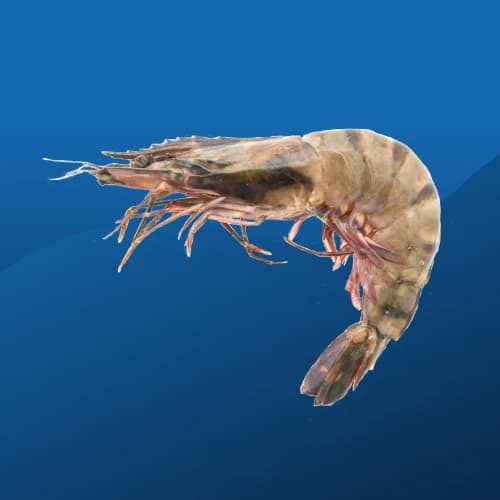
P. Monodon (Black Tiger Shrimp)
Penaeus monodon, commonly known as Sugpo, is one of the most important shrimp species farmed in the Philippines. It is raised mainly in brackish water ponds using semi-intensive to intensive aquaculture systems, primarily in provinces like Pangasinan, Batangas, and Zamboanga. The shrimp are fed high-protein formulated pellets, and water quality is carefully monitored to ensure healthy growth. P. monodon is prized for its large size and firm, sweet meat, making it a staple in both local and export markets.
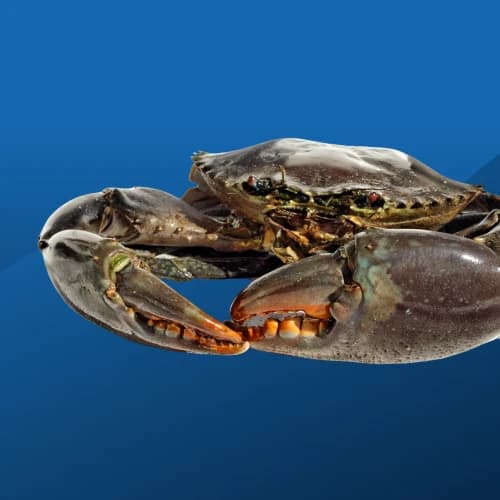
Mudcrab (Alimango)
Mudcrabs, locally known as Alimango, are widely cultured in coastal provinces such as Zamboanga, Palawan, and Batangas. These crabs are grown in brackish water ponds, mangrove areas, or mudflats, where they are raised from juvenile stages until marketable size. The farming system typically involves a low-density stocking approach, allowing for natural feeding with supplemental feed. Mudcrabs are highly prized for their tender, sweet meat and are in high demand in both local and export markets, particularly in East Asia.
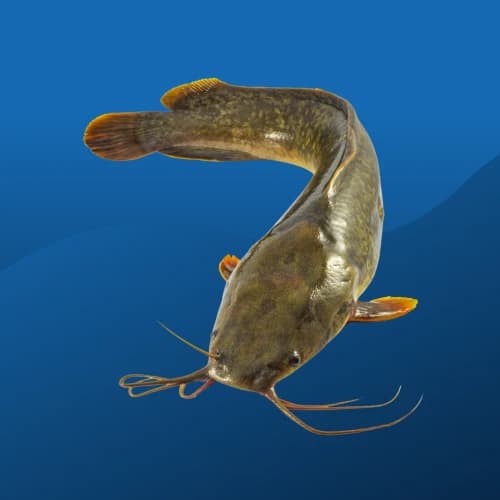
Hito (African Catfish)
Hito refers to various species of catfish such as Clarias gariepinus, which are cultured extensively in freshwater ponds and tanks throughout the Philippines. These fish are hardy, adaptable to different water conditions, and capable of surviving in low-oxygen environments, making them ideal for aquaculture. Hito catfish are raised in both extensive and intensive systems, with feed comprising natural food or commercial pellets. They are popular for their firm, white flesh and are commonly used in Filipino dishes like grilled hito.
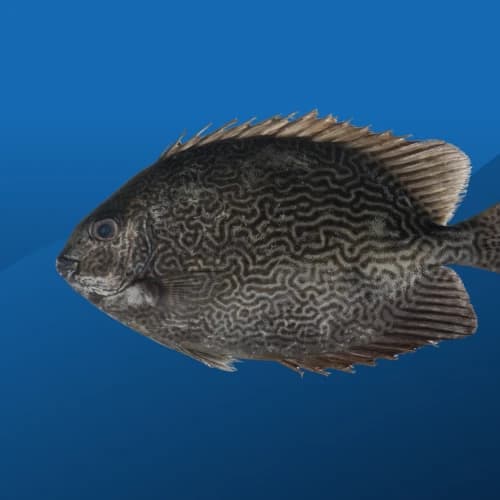
Rabbitfish (Malaga)
Rabbitfish, known locally as Malaga or Danggit, is farmed in coastal brackish water ponds or sea cages in the Philippines. These fish thrive in environments with seagrass or algae, and are primarily herbivores, feeding on plant material, which makes them easier to manage. Rabbitfish are valued for their mild, tender meat, which is widely used in traditional Filipino cooking. Dried danggit, a popular Filipino delicacy, is made by sun-drying rabbitfish, resulting in a crispy, savory treat often enjoyed with garlic rice and vinegar for breakfast.

Grouper (Lapu-Lapu)
Groupers are highly prized fish in the Philippines, often farmed in marine cages along the coasts of Palawan, Cebu, and Zamboanga. These fish are fed with high-quality pellets such as Tateh Marine Fish diet and are raised in clean, high-oxygen environments to promote healthy growth. Grouper farming is highly intensive, requiring careful management of water quality and fish health. Lapu-Lapu is a favorite in Filipino cuisine, commonly served grilled, steamed, or in soups, and is also a key export commodity, especially to Hong Kong and neighboring countries.
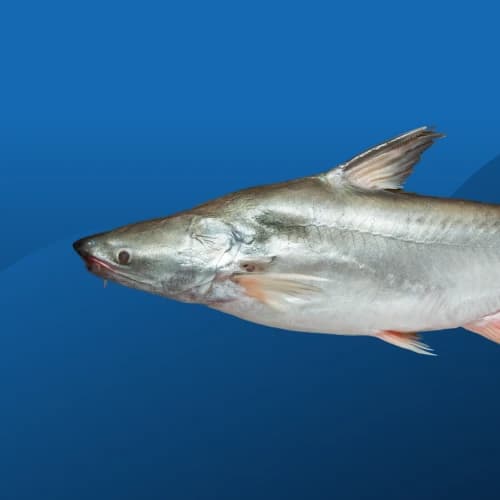
Cream Dory (Pangasius)
Pangasius, more popularly marketed as Cream Dory, is a freshwater fish species farmed primarily in cage systems in lakes and rivers across the Philippines. This fish is cultured intensively and fed with high-protein pellets such as Tateh Aquafeeds to ensure rapid growth. Known for its mild taste and soft texture, cream dory is a cost-effective alternative to other fish species. It is often sold frozen or fresh and is popular in local markets as well as export destinations.
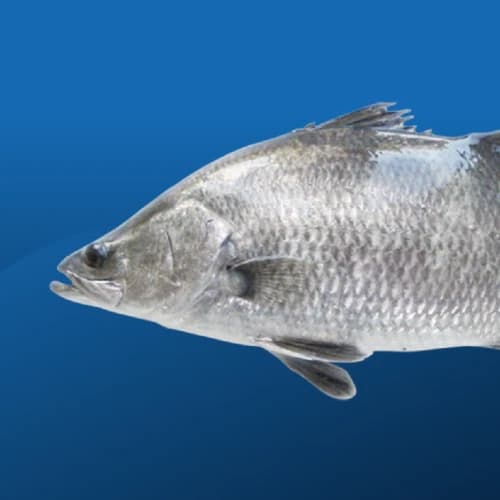
Seabass Apahap (Barramundi)
Apahap, Seabass, or Barramundi (Lates calcarifer), is a prized species farmed in brackish and freshwater systems across the Philippines. It is typically raised in sea cages or ponds, where it is fed a diet of commercial pellets and natural food. Apahap is known for its mild, sweet flesh and firm texture, making it popular in local dishes. The fish has grown in popularity for export as well, particularly to markets in Southeast Asia and Australia, due to its culinary appeal and fast growth rate.
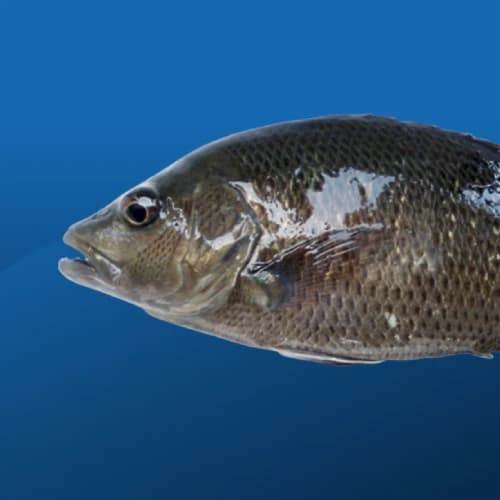
Snapper (Maya-maya)
Snapper, locally known as Maya-maya, is farmed in marine cages, primarily in coastal areas. Snapper is highly valued for its firm, flavorful meat, and is typically fed a diet of high-protein pellets. The farming system is intensive, with strict monitoring of water quality and fish health to ensure premium quality. Maya-maya is a popular dish in Filipino cuisine, often served as soup or grilled, and is also a significant export product to Asian markets.

Eel (Anguillidae)
Eels, particularly the Giwan or Anguila, are farmed in freshwater and brackish water ponds in the Philippines, with production concentrated in areas like Cagayan Valley, Laguna, and Mindanao. Eel farming requires careful water quality management and temperature control to support their growth. Eels are raised for their soft, flavorful flesh and have significant export value, especially to Japan, where eels are used in high-end cuisine like unagi.
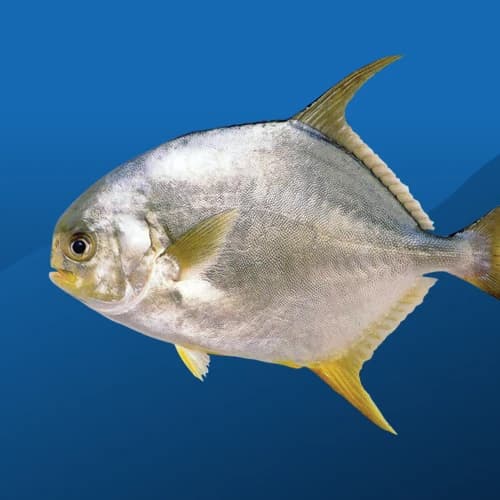
Pompano
Pompano culture is a fast-growing and profitable aquaculture venture that uses marine cages. This fish is valued for its high market demand and premium-quality meat.

Milkfish
Milkfish culture is a well-established and vital aquaculture industry in the Philippines and is major source of affordable protein for Filipinos.
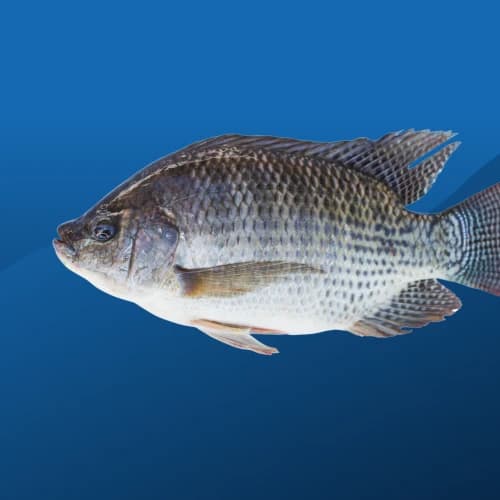
Tilapia
Tilapia are major farmed fish in the Philippines. They are among the easiest and most profitable fish to farm due to their ease to reproduce, high stocking density, rapid growth, high protein, and palatability.
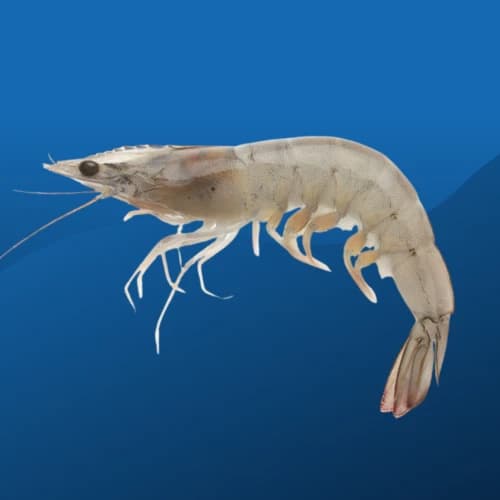
Shrimp
Vannamei culture is known for its high profitability and export potential. The industry continues to expand with advancements in farming techniques and biosecurity, and increasing demand in global markets.
Pompano
Pompano culture is a fast-growing and profitable aquaculture venture that uses marine cages. This fish is valued for its high market demand and premium-quality meat.
Milkfish
Milkfish culture is a well-established and vital aquaculture industry in the Philippines and is major source of affordable protein for Filipinos.
Tilapia
Tilapia are major farmed fish in the Philippines. They are among the easiest and most profitable fish to farm due to their ease to reproduce, high stocking density, rapid growth, high protein, and palatability.
Shrimp
Vannamei culture is known for its high profitability and export potential. The industry continues to expand with advancements in farming techniques and biosecurity, and increasing demand in global markets.